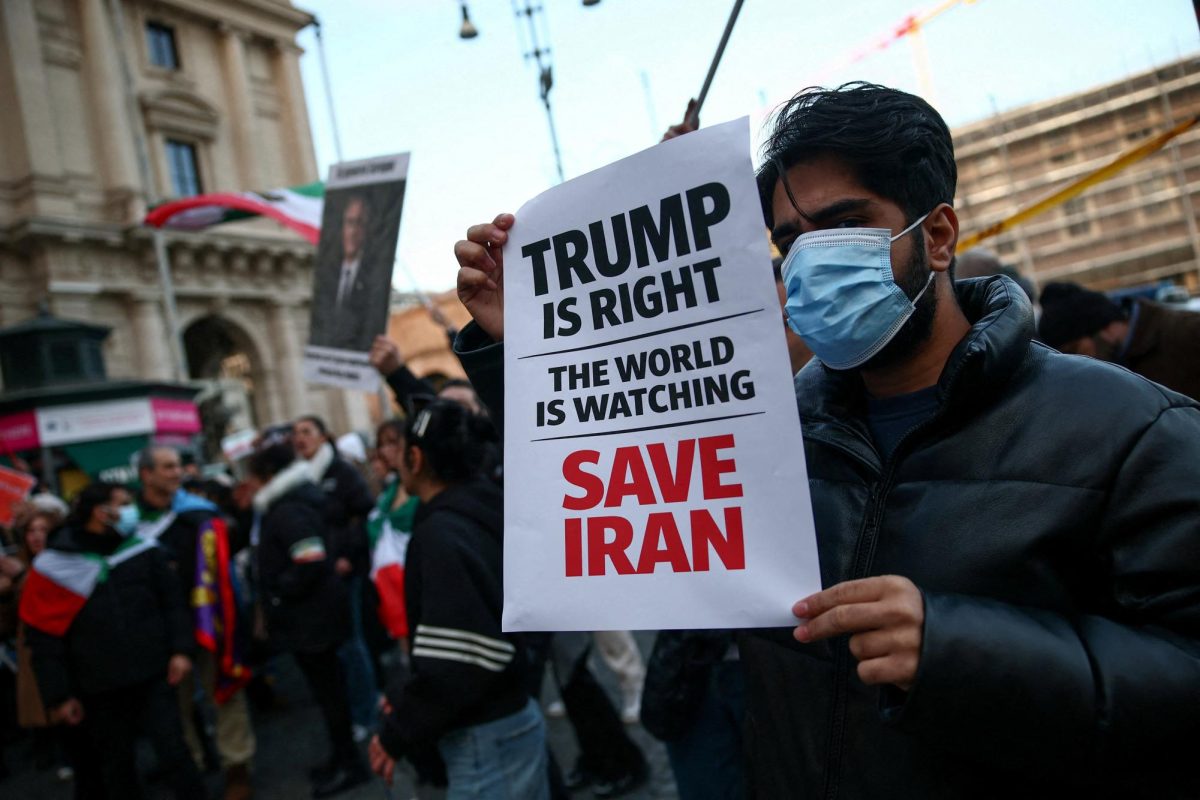
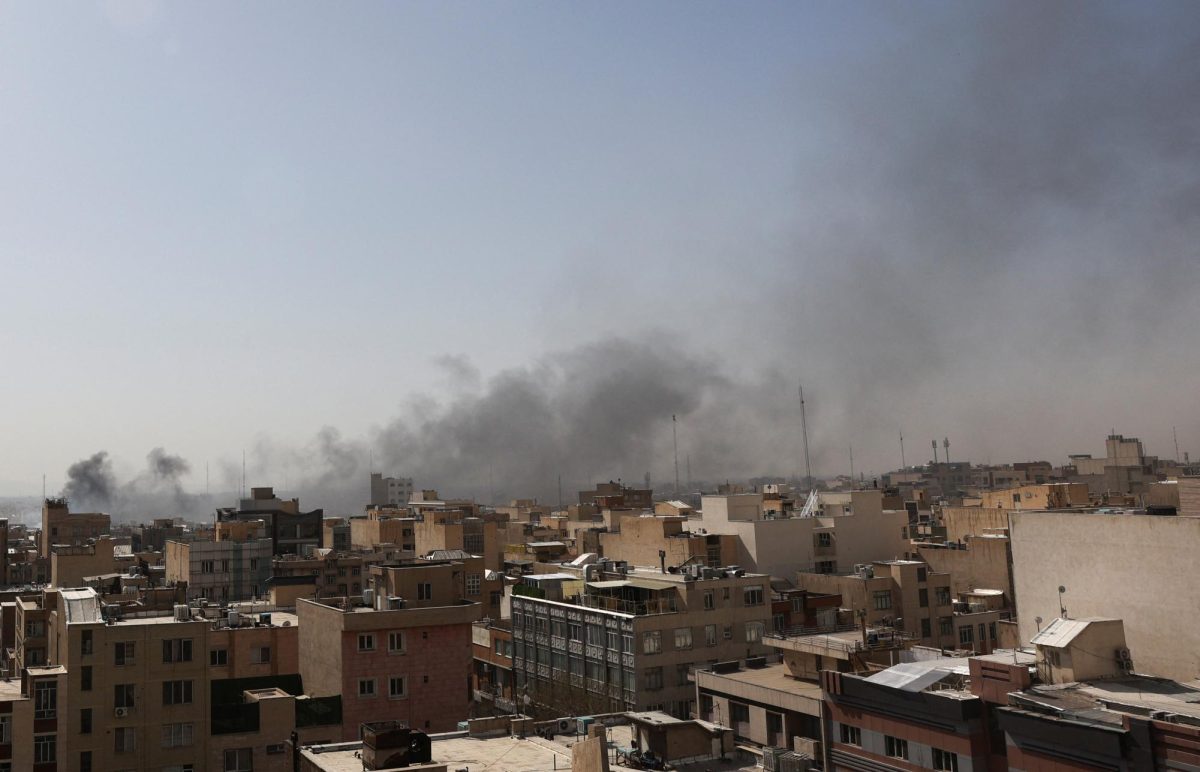
Since late December and early this year, mass protests have taken place across the Islamic Republic of Iran over the economic conditions of the nation. The Islamic Republic has faced massive protests previously, most recently being the Mahsa Amini protests in 2022, following the death of Mahsa Amini at the hands of the Guidance Patrol, or morality police, the government body responsible for upholding Islamic law in the nation. The Mahsa Amini protests saw over 500+ protesters killed, according to the IHRNGO, a Norway-based human rights group.
As of late January and early February, the Iranian government has claimed that over 3,000+ individuals have been killed in the protests, while some human rights groups claim up to 20,000+ individuals have been killed.
The U.S. backed the Shah of Iran from the 1950s to the 1970s, ensuring the U.S. and its allies continued to receive oil from the country.
“When the Shah was overthrown in 1979, it was replaced by Islamic rule. This period has largely isolated Iran from the world stage,” Looker said. “Due to Iranian proxies, Hamas and Hezbollah, being weakened through war with Israel and American intervention in Venezuela, citizens feel emboldened to take on strict religious governmental rule.
This boldness has led to the largest protests in Iran in 50 years, destabilizing the entire Middle East.
“For the administration and America’s interests, a weakened Iran is good,” Looker said. “Iran is not in the same position to fund terrorism through groups such as Hamas. This is further magnified with additional revenue lost after American involvement in Venezuela.”
The Iranian government’s response was brutal, with estimates of protestors killed ranging from 3,000 to 23,000.
“The brutality of the regime in Iran may quell the protests in the short term,” Looker said. “But the killing of citizens always leads to bigger resistance. With its loss of proxies (Hamas, Houthis, etc.) and dependable allies (Venezuela), protests will continue. If successful in Iran, similar movements are likely across the Middle East, much like the Arab Spring in 2011 after Muammar Gaddafi’s ouster as dictator in Libya.”
Joe Ulery Graham, co-host of the podcast “Plain Civics”, believes the protests unearthed several factors within the country and region.
“The protests showed deep frustration inside Iran, especially among younger people, over the economy and personal freedoms,” Graham said. “Inside the country, they exposed ongoing tension between the government and parts of the public. For the region, they created uncertainty, but they did not immediately change the balance of power.”
The protests have put the current U.S. administration in a difficult position.
“Leaders want to support human rights,” Graham said. “But they also have to avoid actions that could increase tensions or be seen as interference. It adds pressure without offering easy policy choices.”
Graham believes these protests were a testament to how quickly public frustration can spread.
“Protests have happened in Iran before, but this showed how quickly unrest can spread through social media and shared frustration,” Graham said. “It suggests similar protests could happen again, even if each situation looks different.”