Indiana Senate Bill 78 cleared its final legislative phase on Wednesday. The Indiana Senate voted overwhelmingly in support of the bill, 36-12. Only five Republicans and seven Democrats voted against the bill.
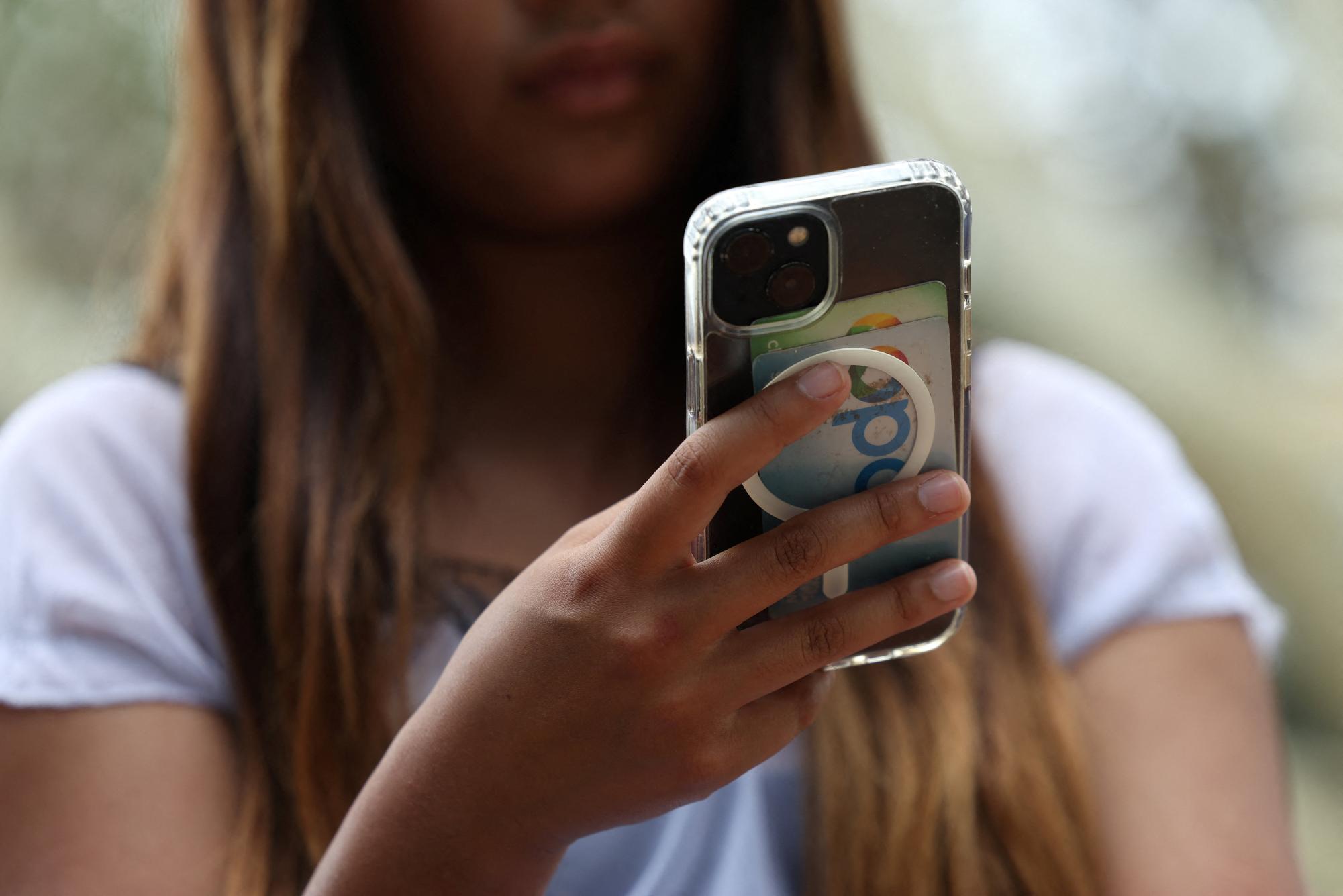
The bill entails a total ban on the use of phones, smartwatches and video game devices from the beginning of the school day to the end of the school day. The “bell-to-bell” ban was authorized by Republican Senator Jeff Raatz.
The bill has been sent to the governor’s desk for his signature. The legislature is awaiting final enactment.
Junior Samuel Buck believes the ban will not be easy for schools to enforce.
“Schools in Indiana already have a no phone policy, and the nuances have already been worked out,” Buck said. “I feel that this bill is redundant. It seems like we’re spending time and taxpayer money on a bill that will serve the same purpose as a box that students put their phones in before class. Also, keeping the phones in the room but out of their hands would solve most of the problems students have with the phone ban.”
Buck pointed towards emergencies or crises as situations where students would need their phones.
“Basically, the Indiana [General Assembly] is replacing a box with a bill,” Buck said. “And, honestly, I’m not even surprised.”
Micah Garling, a junior, believes that schools should set their own policies for phone usage.
“Honestly, kids will disregard the ban either way,” Garling said. “Many kids require their phones to contact their parents or guardians, such as myself, when I’ve missed the bus, gotten sick during the day, needed medicine or money, or simply and most commonly, because of after-school activities.”
Christian Madson, a math teacher, believes the bill is a logical step to reduce distractions in schools.
“I understand that lawmakers would want to help students focus and be more productive in school,” Madson said. “Students across the nation are struggling to detach from their phones and social media. This issue has become huge in all classrooms.”
But Madson also believes the bill could cause a burden for students and parents.
“My children are still very young and do not have cell phones, but I am in constant contact with their teachers,” Madson said. “If they have a practice that is cancelled or forget their lunch, their teacher lets me know. I can see how, as they get older, my daughters would want to communicate with me throughout the day.”
Ultimately, she believes the answer to the issue of phone distractions is education.
“I think we need to focus on educating students and parents on the mental health issues that arise from early exposure to social media and constantly using cellphones,” Madson said.
Madson points out the studies regarding students’ mental health and social media.
“There is also data that shows how school discipline has drastically improved in schools that do not allow cellphones in the classrooms,” Madson said. “I would encourage the state to look into adding a section covering this topic to a required health class so parents and students can understand what the benefits and negative effects are.”