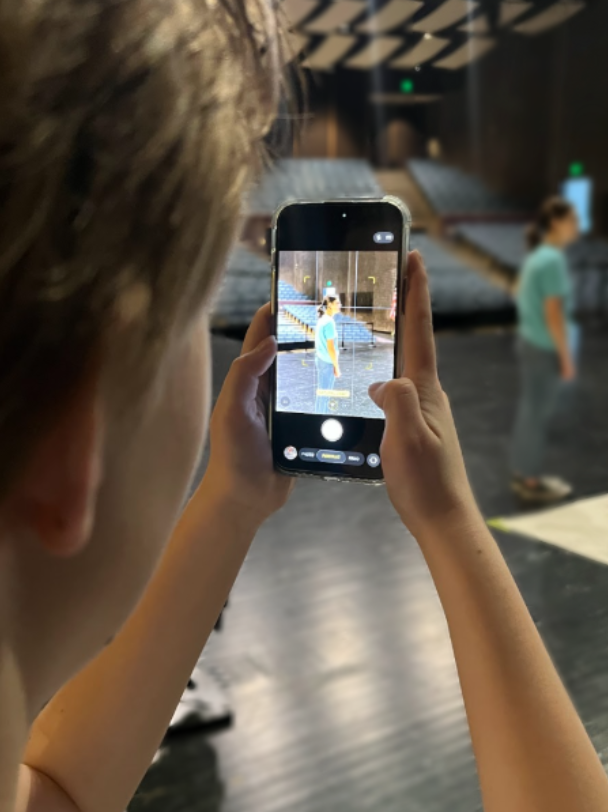
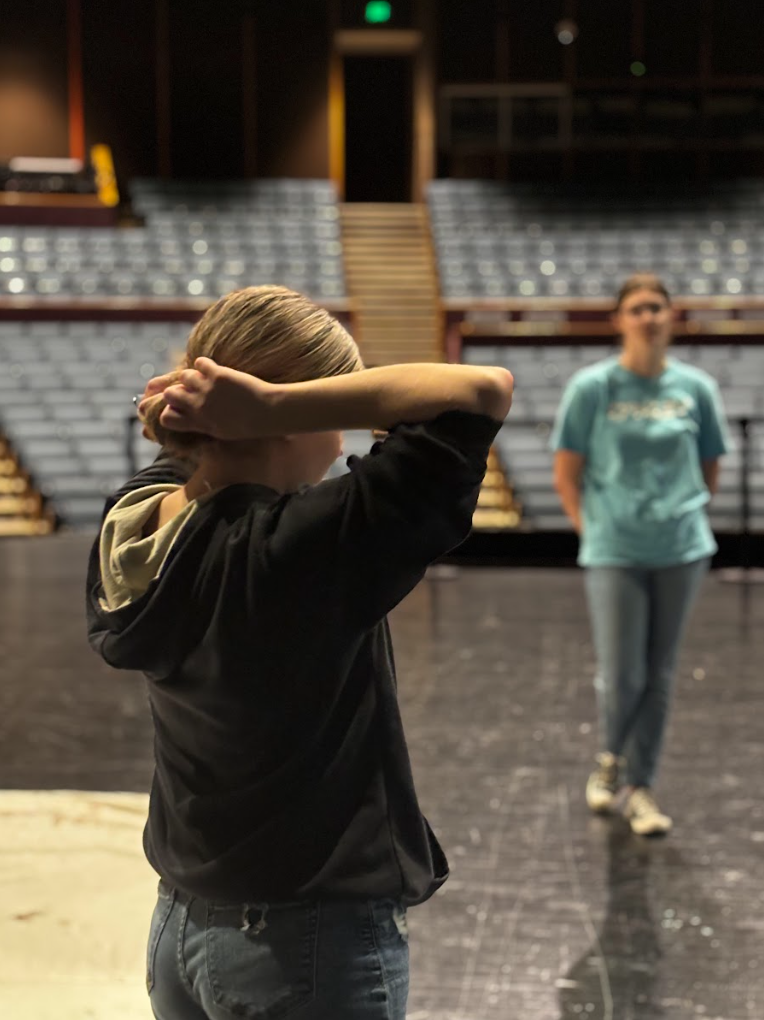
Miranda-Castro: “I just signed up for it. I found it fun because when it was orientation night my freshman year, we had basically a bunch of stations that we got to experience what Tech Challenge was, and I kind of got hooked on that.”
Romero: “It sounded interesting.”
Fagner: “I wanted to go to Thespian State, I wanted to win something, and I didn’t trust myself to win an acting thespy, even though I’m sure if I had, I would have done pretty well. I also liked the idea of being on a team, so I did Tech Challenge.”
English: “I was bored because the musical was over and the play isn’t for a while, so I decided to reinstate my interest. Plus, I was curious. When I asked around, people explained it in very different ways, and I wanted to see for myself how it actually is.”
Ping: “I started it when I was in eighth grade. My friend was in it before; it was her first year doing it, and she really just encouraged me to do it, and we just kind of did it together. It was a competition, a friendly competition, that was an experience that I wanted to do.”
Hsa: “I did it on a whim.”
Cunningham: “My friends were on it, and I wanted to try something new, so I signed up to join Tech Challenge.”
Adams: “I wanted to try something new, and I thought Tech Challenge sounded cool, so I figured I’d give it a shot.”
Miranda-Castro: “I like the competition. I like how we always get first or second place, not to brag.”
Romero: “I just found it interesting. Mostly the competition against other schools and the traveling part.”
Fagner: “Winning. Every year that I’ve been on it, sophomore, junior, and now senior year, well, hopefully all three years, we have placed first to third, usually. I like that I’m on a team that has this huge winning streak because it makes me feel powerful.”
English: “Learning all the different setups and stations has been my favorite. I didn’t know how to do any of this stuff at all, but now, even though I’m a newbie, I feel like a pro.”
Ping: “Well, my favorite category is probably drop fold because we just work as a team, and I just like seeing all of us work together.”
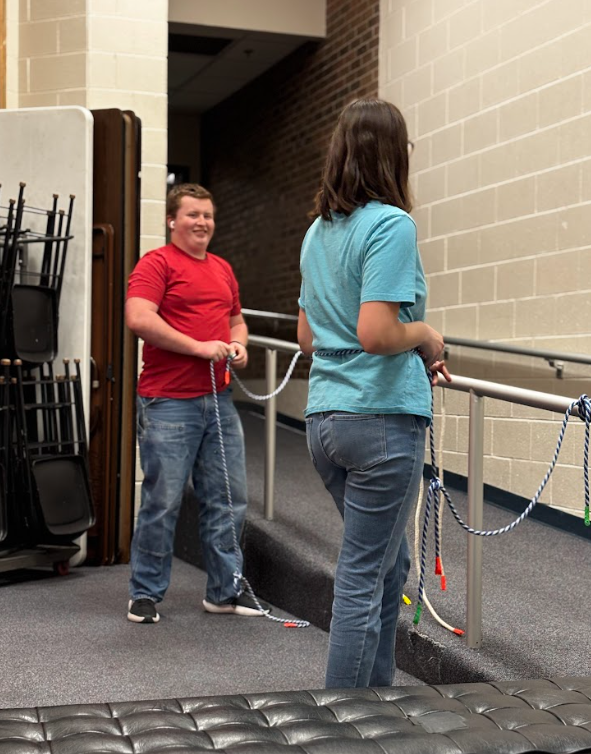
Hsa: “Probably the ropes.”
Cunningham: “My favorite aspect is honestly preparing for it, because not only do I get to spend time with my friends while practicing, but it also pushes me.”
Adams: “Hanging out and working with people—figuring out new things.”

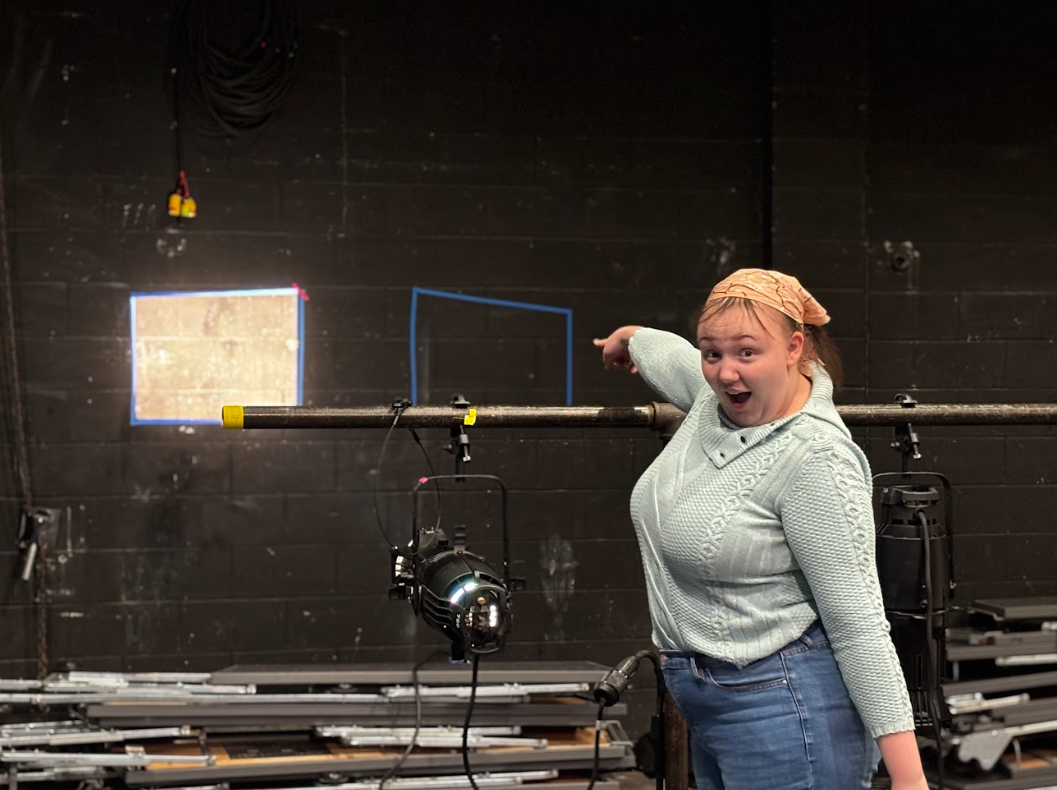
Miranda-Castro: “Shoot, I don’t know. So far, I’d say lighting, because that’s my lowest time with 50 seconds. I’m probably the worst with the platform.”
Romero: “Lighting is my worst one, and knots are probably the easiest one.”
Fagner: “I’m the worst at lights and drop fold. I do worse at drop fold just because I hate it, so I feel like I’m not motivated to do it, and I don’t run as fast as I could. My best is probably knots or prop shift because I know I’m decent at those.”
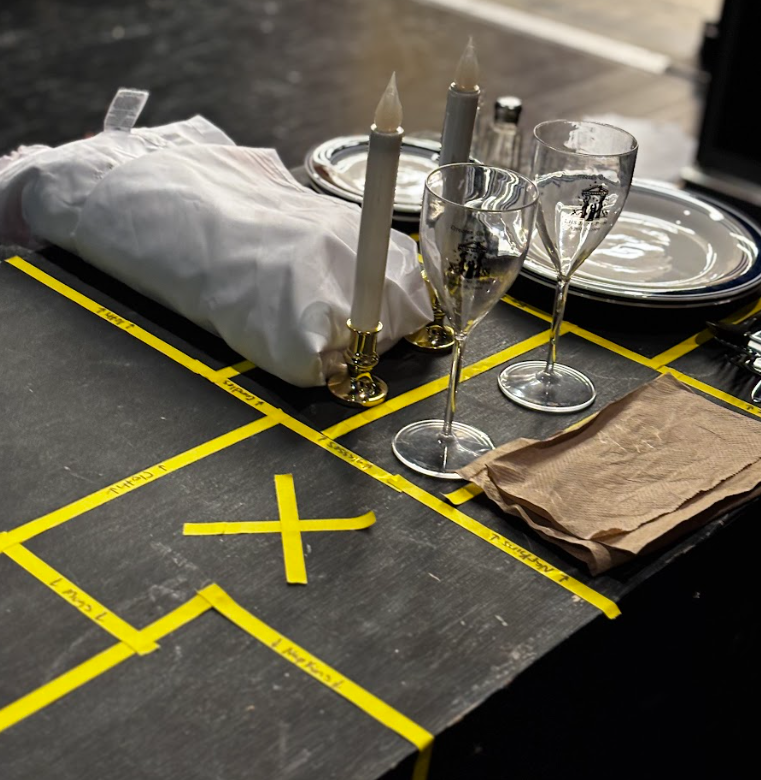
English: “Individually, I’m definitely the best at knots. With the team, I’m great at drop fold. Leg-a-platform is easily my worst—prop shift is a close second, though. The silverware always trips me up.”
Ping: “I started out best at knots. This year, I feel like I’m best at lighting. The worst is probably leg-a-platform just because it’s so janky, and you never know what’s going to happen during competition.”
Hsa: “I’m good at ropes, and I’m bad at hang-a-light.”
Cunningham: “I would say my best is knots or hang-a-light, and my worst is probably leg-a-platform.”
Adams: “I’m probably the best at knots and prop shift. Platform and lighting, I’m still working on, but I’m not great at anything. I’m just kind of mediocre.”

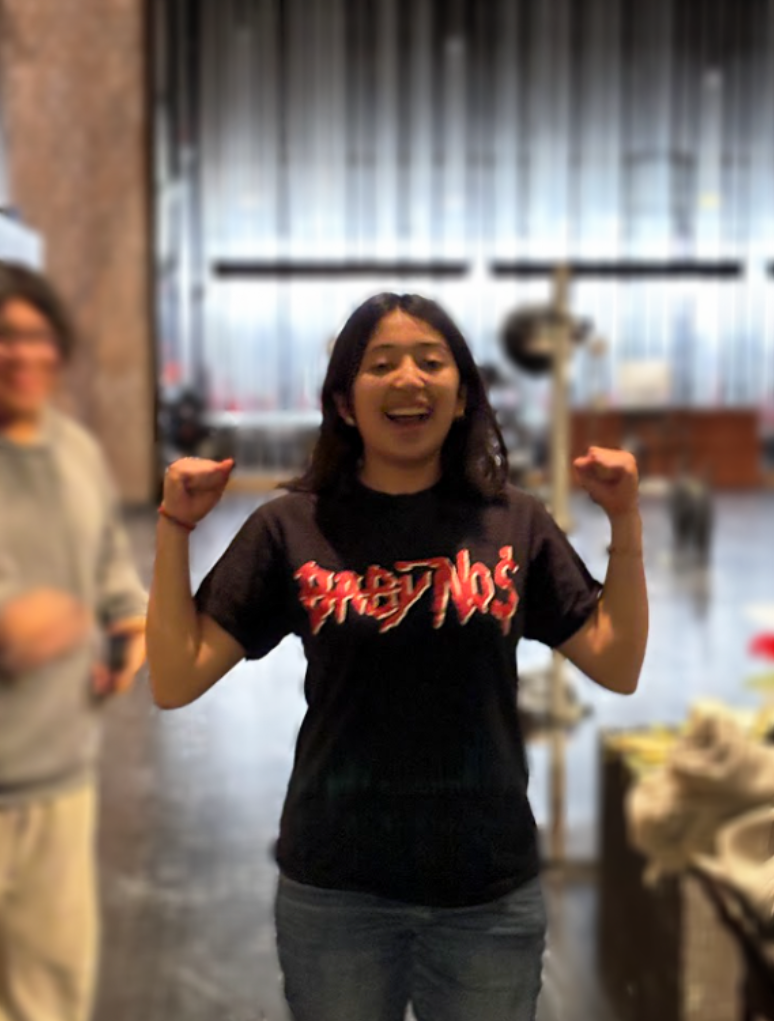
Miranda-Castro: “I joined it because of the call-out that I saw around the hallways and because I was trying to find new things to do in my freshman year.”
Romero: “My sister (Anna Romero) was on it when she was in school.”
English: “I joined because I remember seeing a few plays and musicals in McHale when I was small, and while I noticed that the actors did great, I was more interested in the tech part of it, specifically lighting. I wanted to create something that would impact the show without actually being on stage.”
Fagner: “I was already in drama club, I already had a handle on the acting side of theater, and I just wanted to be more well-rounded, so I tried out tech, and I ended up really liking it.”
Ping: “Originally, I joined because I wanted to take a leap and do something new. And then I ended up creating a lot of new friends, and that’s why I stuck with it.”
Hsa: “I joined because I wanted to learn more about mechanical stuff. I joined mostly for the shop and running crew.”
Cunningham: “I joined tech because a lot of my friends were in it, and I saw Mamma Mia my freshman year, and I really enjoyed it. I actually took photography class, so I did the behind-the-scenes photography for it, and I got to see what all happens behind the scenes, and that’s what made me want to join.”
Adams: “I joined tech because my friend was in it, and I wanted to hang out and build sets. You can make money too, so it’s cool.”
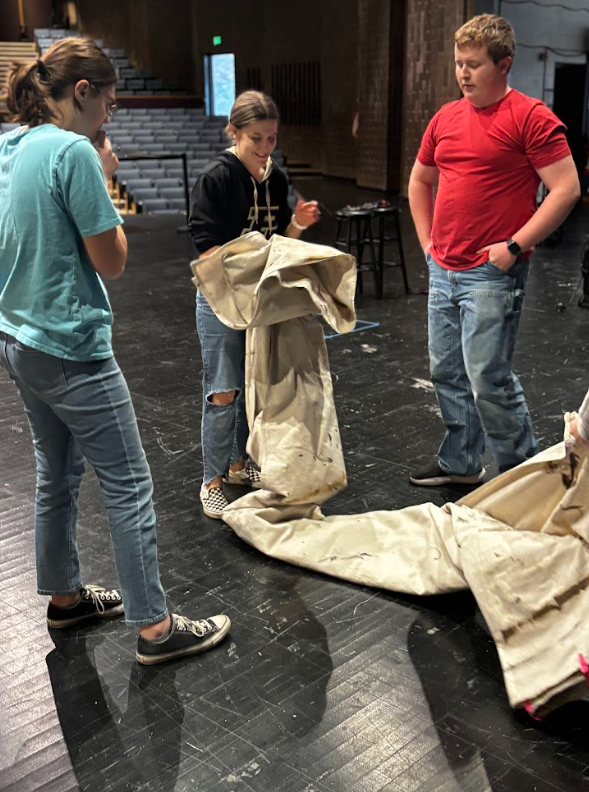
Miranda-Castro: “I guess the benefits. I get paid staff, so any paid events I get to do, I get a little extra money. And all the experience that you get from being in tech.”
Romero: “Nothing. I mean, I just joined to join. I thought it was interesting because my sister joined prior to me.”
English: “I think it’s the fact that in theater you can’t really expect what is going to occur. A lot of the things said and done are out of pocket and unpredictable, unlike some other clubs. That and the people. Most of the people here have good vibes.”
Fagner: “I just really like it. I really like learning about all aspects of theater. McHale has become like a second home to me. Theater has always brought me such joy, so I take whatever excuse I can to be at the theater.”
Ping: “For me, I’m planning on going into theater after high school, so it’s more just the experience. I’ve made a lot of great relationships, and I know there’s more to come. I like the experience now, and I’m sure this is what I want to do after high school.”
Hsa: “I’m staying because I want something to put on my resume—my resume for college. I plan on staying all four years.”
Cunningham: “My friends, and then it’s also my main job right now, so it’s kind of a steady income for me. Also, I just don’t quit something after I’ve committed and I’ve already committed two years to it, so I’m just going to have to stick with it.”
Adams: “I honestly have no clue. I’m just here. I enjoy it. The people are fun. We get to learn a lot of new stuff and play games.”
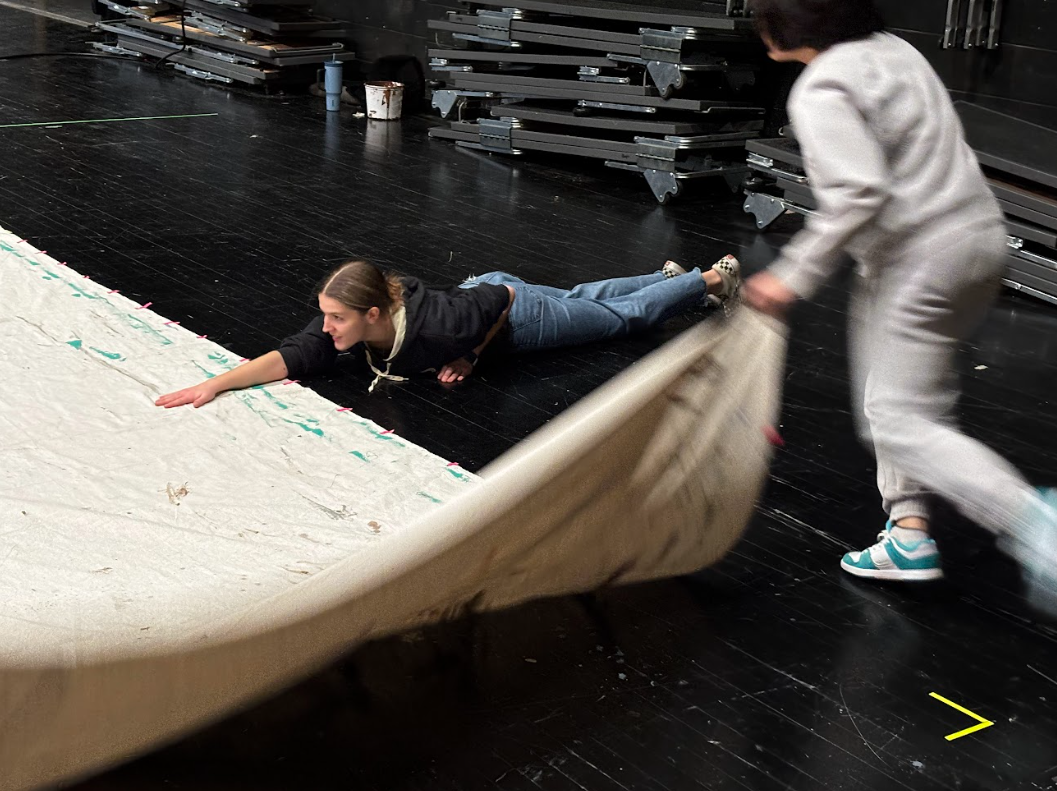
Miranda-Castro: “The best part is probably getting into all the musicals and plays for free because I’m directing them or just helping around. That and seeing the actors basically clown around and getting to see behind the scenes, the parts that the audience doesn’t see during showtime. The worst part is probably all of the nights I’ve spent here.”
Romero: “The worst part? Seeing Pearcy fall into the pit. [The best part was] playing blackjack for candy during Legally Blonde.”
English: “The best part is probably seeing it all come together. It always starts out at least a little chaotic, but the end product is always worth it. The worst part of my time in tech is the show days. The little variations in how the actors act each time are amusing, but overall, I’m just watching the same show over and over again with nothing to do except cues.”
Fagner: “I would say the best part is just being able to laugh with the other people on tech. I feel like I’ve come out of my shell more throughout my time in high school. The people that I connected with first are the people in tech and theater, because they’re kind of weird like me; so I can laugh with them, I can dance with them, I can play games and joke around, and I just feel connected to the people in tech. The worst part for me is when I am in a show, and I can’t be in tech. I feel like I’m choosing one over the other, and it’s really hard because I love tech and I love acting so much. So the hardest part for me is finding a balance between being on stage and being behind it.”
Ping: “The best part has probably been Tech Olympics, or the tech challenges, as they call it now, because it’s just a fun competition that no one really thinks about, and our school is great. We’ve placed every year that I’ve done it so far, and the year before, as far as I know. The worst part is probably the hours and the time. I love it, but it still takes a lot out of you, doing it 24-7 all the time.”
Hsa: “My favorite was the musical because I got to watch it for free, and my least favorite was practicing.”
Cunningham: “The best part about being on tech crew is all the new friends I’ve made. The other best part is that I have so much more experience in so many different aspects that I never thought I’d get into. I know a lot about lighting now, and a little bit of sound, but also I’ve furthered my education on video, so that is really nice. The worst part is sometimes the hours. The hours can run really late, and then homework gets a little bit stressful. It’s a good and bad thing because now I’ve managed my time a lot better, but it stressed me out a lot to begin with.”
Adams: “The best part is hanging out with a bunch of people, making a lot of fun experiences, and getting to learn a lot of new stuff. The worst part is, with sound especially, you stay really late, so I might not get out of here after a show until like 11 or 11:30.”
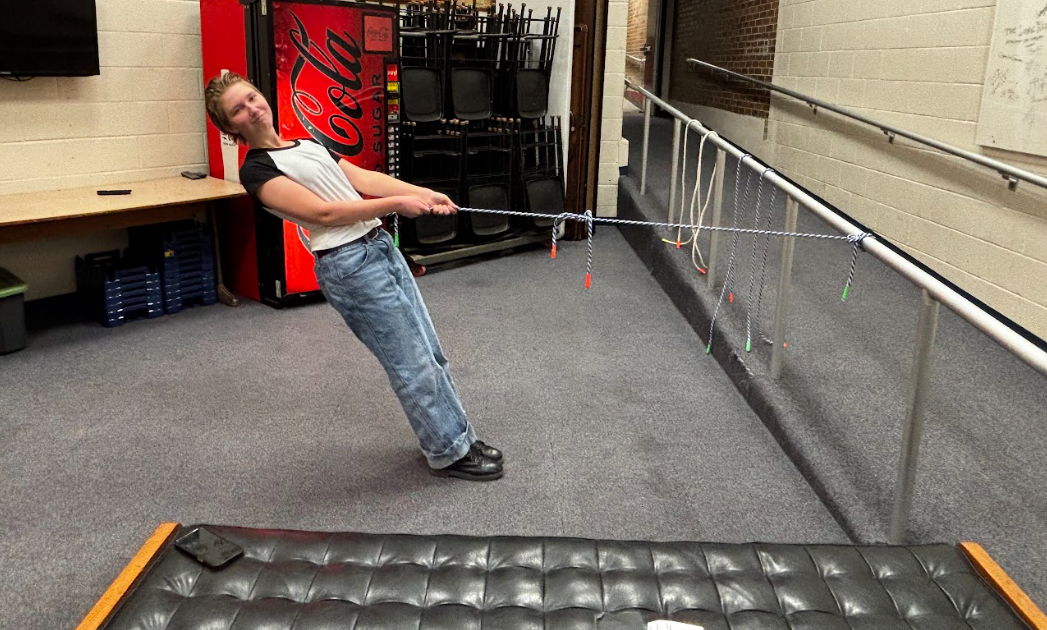

Miranda-Castro: “If you ever want to go into technical theater past high school, it’s pretty nice to have all those skills compared to a lot of high schoolers who don’t ever get the chance to do this. Even if you don’t do tech, it’s still nice to have these skills because you could have volunteer jobs or paid jobs that involve doing master carpentry or just any part in the play if they’re hiring.”
Romero: “It keeps the show running.”
English: “Without tech, there is no show, just like how if there were no actors, there would be no show. People think it’s weighted, like either tech or the actors are more important, when it’s actually an equal relationship in what makes a show come to life.”
Fagner: “Without tech, we wouldn’t have a show. We wouldn’t have lights; we wouldn’t have sound; we wouldn’t have anything. There would just be people standing up there, and you can’t hear them. It would be like watching, like a mime show in the dark. A dark mime show.”
Ping: “I think tech is important because there are so many things you don’t know that happen in theater, and the technical side of it has so much that goes into it that not many people know about. And I feel like it really draws out the emotion in an audience.”
Hsa: “It depends on the person. For me, I’m planning on joining the military, so I think it’s good for learning some mechanical stuff.”
Cunningham: “I think tech is important because it opens you up to so many different aspects and fields you can go into. You could fully get a job in just theater, and that’s really good. McHale gives you so many more opportunities than other schools. Not only that, but when you go to college, you could get a job in the AV department, and you could get better jobs, higher-paying jobs, when you get to college.”
Adams: “Tech is important because without tech, you won’t have a show. I mean, you can sit in a dark room and listen to a bunch of people talk and just kind of hear them whisper in the background, but without light, sound, rigging, whatever else, you’re kind of just sitting in a dark room and hearing people far away from you. It’s kind of weird.”
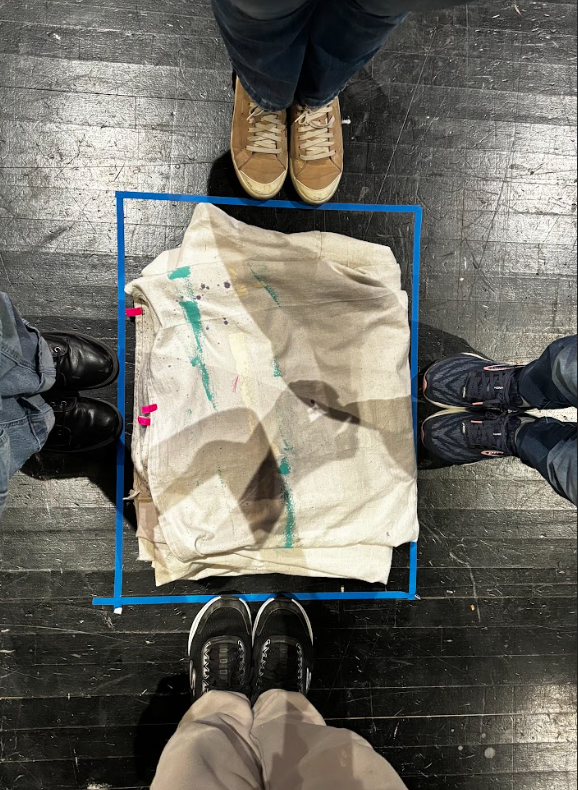
Miranda-Castro: “I think so, because people don’t see what they do as much in plays and stuff, but at the end of the day, we need both us and the actors to make everything run around here.”
Romero: “Yeah, because they don’t get recognized around school. [People] are not like, “oh, they did this,” “they’re responsible for this,” or “they’re so cool because of this.””
English: “I would say that techies are underappreciated, especially in the big shows. I understand why, though. The actors are the main focus, so when people think of shows, they think of the characters and how they were played, not necessarily the sound, rigging, construction, lights, etc., even though it’s a symbiotic relationship.”
Fagner: “It kinda goes all the way around. They’re not noticed by audience members, for one. If you look at a playbill, you’ll have all of the actors with their huge bios, their pictures, and everything. And then the techies are just in a list, but without them, we literally would not have a show. Like I said, it would just be people standing around in the dark with no sound and nothing to hold. They’re already just not getting enough attention from the program itself. I feel like they need something bigger in the cast and in the playbill. They don’t get enough appreciation from other people in tech. I feel like actors look down on techies. I’m guilty of this too, because I was an actor at first, and I know I didn’t appreciate my tech crew before I joined it. People treat techies like lesser than because they don’t want to go on stage.”
Ping: “I feel like techies are very much unappreciated. Everyone sees actors on stage, and they think actors are everything that goes into it, but techies do so much outside of what is being shown on stage. There are many hours that go into set construction, the lights that you see, and everything that’s flying in and out with rigging. We’ve all done it before.”
Hsa: “I don’t really talk to actors, so I can’t say anything about that.”
Cunningham: “I feel like sometimes they are underappreciated during big productions. Sometimes in the musicals, we get overlooked because the actors are running so much. It’s mostly the actors who overlook us. The directors and everything, they love us, they appreciate us, but the actors sometimes overlook us and then kind of take over.”
Adams: “I feel like not a lot of people realize how much work goes into the tech part of it, but I don’t think it’s unfair. It’s just kind of not really talked about.”
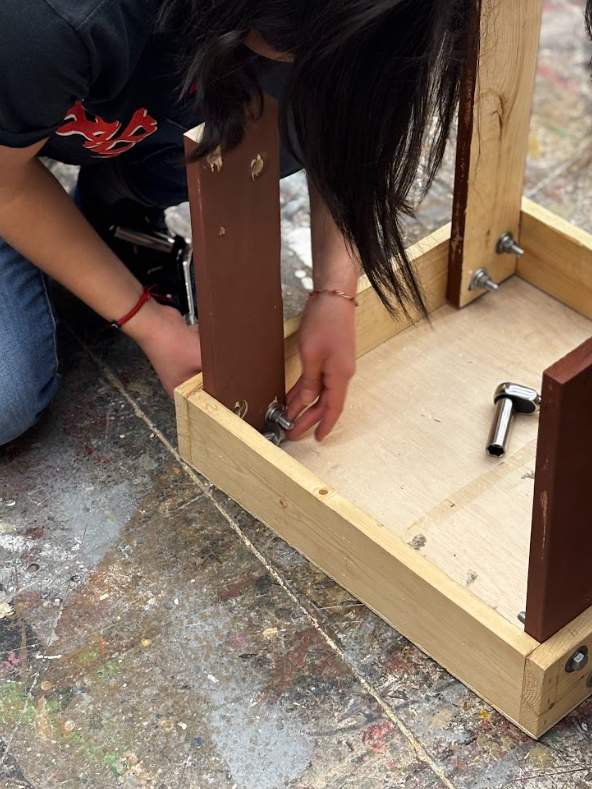
Miranda-Castro: “The most I’ll probably use are the skills I use in master carpentry, as far as how to drill wood together. If I ever want to do some D.I.Y. projects at home, want to go into a job as a master carpenter, or just volunteer somewhere, I can.”
Romero: “I don’t know. I’ve done this for about a semester. I don’t know a lot about tech, and I don’t know what can help me out later on.”
English: “I feel like in my time here in tech, I’ve learned how to better manage my time. Due to the long hours in McHale, it’s now ingrained in me to get harder work done first, no matter the due date, because I could work on easier homework there or finish it quickly after tech. I’ve also strengthened my multitasking skills there. There’s a lot of important stuff to be said at certain times, so I’ve learned how to listen intently while still getting work done.”
Fagner: “I say tech has helped me work as a team a lot more. I’ve done ASMing a lot for a variety show, I’ve done stage managing for things, and then I’ve worked under stage managers, so not only has it helped me learn how to take instruction and execute it well, but it’s helped me communicate with people, tell them what I want, and what I need them to do. I am better at expressing myself, expressing what I want and need from certain people. I’m again better at all-around working with other people. I feel like I tolerate it a lot more.”
Ping: “I feel like it will help. Tech can help in many aspects of your life: leadership, communication skills, and just meetings in general. I stage manage a lot here, so I’ve already used the leadership skills that come out of it in many aspects. Leading meetings, we all do quite a bit. Even interviews, I’m doing a thespy for our thespy and conference, and that is already helping me out in my career.”
Hsa: “Out of the things that I’ve learned here, I’ll probably have to use the ropes and, I don’t know how to say it, but all the events are timed, so I’ll learn how to do stuff quickly.”
Cunningham: “It’s definitely helped me communicate a lot more. I’ve become more outgoing, so that’ll help me in a job, making connections or in college. It’s also helped me because I really like photography, and doing video has helped me expand upon that. So if I’m going to do that as a hobby when I grow up, I can do that. It’s, like I’ve mentioned before, helped me create an actual schedule and a plan, so I’m a lot more organized, and I get things done quicker.”
Adams: “For sound specifically, I learned networking and just general cable managing, that kind of system setup, and just general computer knowledge. You’re going to use computers the rest of your life, so this is not a bad skill to have.”
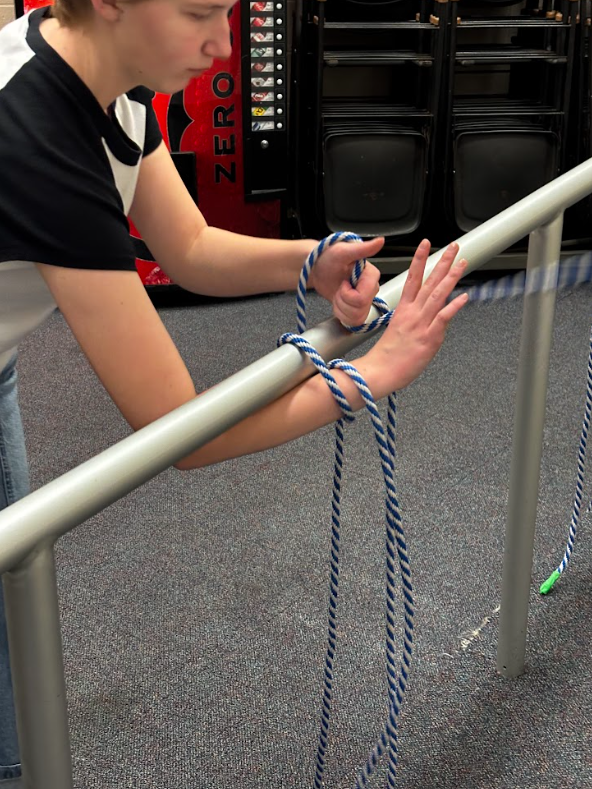
Miranda-Castro: “I don’t think I have anything to change. Probably just the amount of breaks we get.”
Romero: “Nothing.”
English: “For Tech Challenge, I would actually add a little time to our practices. I feel like I’ve got most of the sections down, but not all of them, and we don’t have that many practices in the general scheme of things. Plus, the practices are really fun. For Tech in general, the only thing I would change is the long hours, but those are necessary for the work we have to do.”
Fagner: “In Tech Challenge, I would change some of the judges just because I’ve had a bad experience with them. A lot of times, judges are from some of the schools, and I don’t know if it’s ever been like a real big concern, but I’ve always been like, “What if they cheat the time on their school?” Last year, I was in line to do leg-a-platform, and the lady who was judging me just left because one of the students from her school was doing a thespy and she wanted to go watch. It’s like, you either be a judge and stay and judge or you be a director, and then you go watch your kids. You can’t do both because that’s not fair to the people in Tech Challenge. Again, it’s going back to prioritizing actors over techies.”
Ping: “If I were to change something about the tech challenge, it would be to add something that is actually done during a show. Because yes, you have to set a prop table quietly and quickly, but we don’t really tie knots during a show. We hang lights. We build things, yes, usually it’s not necessarily a table. It’s more of the knots, really. I wouldn’t do the knots. I know that before, they used to have to hang a platform or hang a fly system, whatever. But yeah, I would not have knots be what we do.”
Hsa: “Not really.”
Cunningham: “I don’t think there would be anything I’d change specifically about the tech challenges, but with McHale tech, I’d change our orientation style, ’cause I feel like they were kind of rushed, especially this year. People didn’t actually get to focus on an aspect and see what it’s really about before they branched off into different stuff.”
Adams: “I don’t know. It’s doing pretty well right now. There’s certainly more aspects of Tech Challenge that you could do stuff with, but we’re doing pretty good.”
Your donation will support the student journalists of Logansport High School. Your contribution will allow us to purchase equipment and cover our annual website hosting costs.